



🎬 Video : Casse de figure (face-smashing) #1
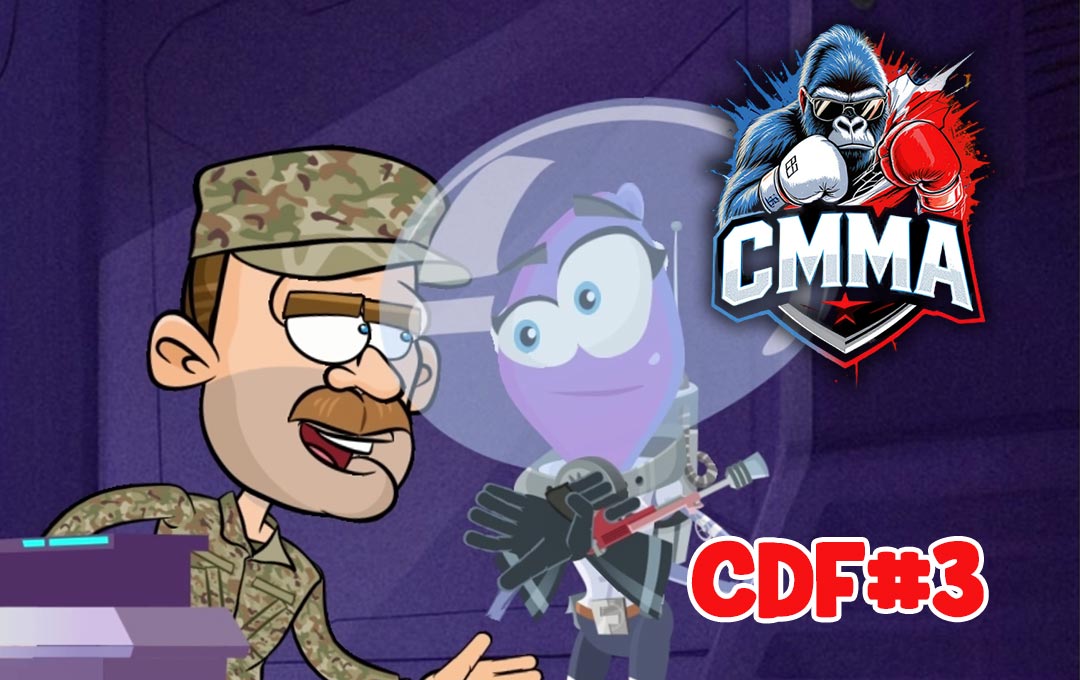
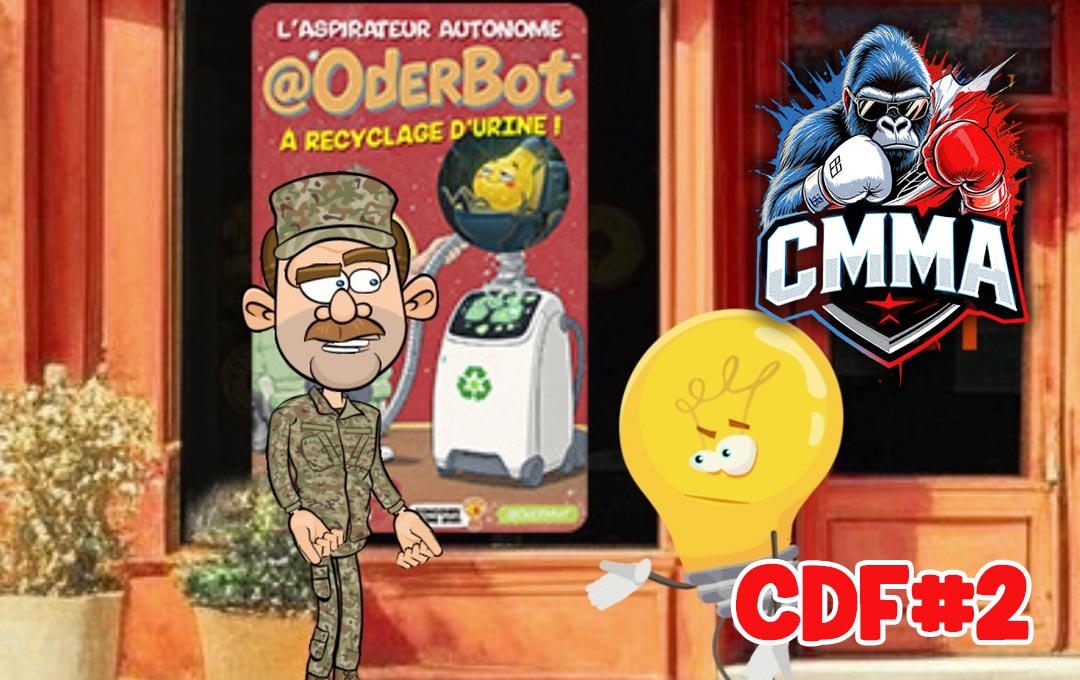
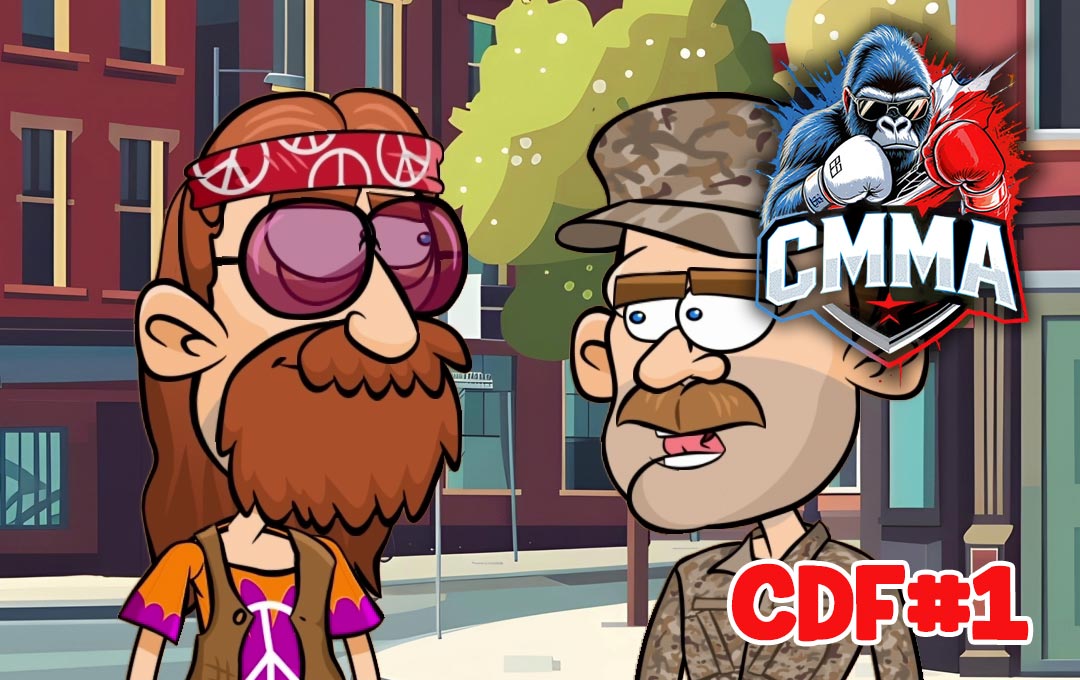
In this episode of the series “Casse de figure” (face-smashing), kung fu master Chuck Maurice, accompanied by his disciple and cousin Bruce, invites you to learn some French vocabulary related to conflicts and fights through a humorous scene.
The scene takes place on a street: Bruce is approached by a rather strange character who stands far too close to him whilst speaking. Very quickly, the situation becomes uncomfortable: the stranger speaks in an intrusive manner and splutters as he talks. Bruce then asks him to keep his distance… but the tension mounts.
Faced with this situation, which he deemed aggressive, Bruce finally decided to resort to physical force and brought the argument to an end with a slap delivered with the back of his hand – a move later analysed by Chuck Maurice with all the seriousness of a martial arts master.
Thanks to its humorous presentation, the video helps viewers learn several French expressions related to aggression and fighting, whilst discovering how they are used in spoken French.
📚 Today’s vocabulary: expressions relating to violence
Postillonner
Cracher
Gifler
Meaning
“Postillonner” means unintentionally spraying small droplets of saliva whilst speaking. This often happens when someone speaks very quickly or very close to another person.
This verb is generally used in a humorous or critical way to describe someone who speaks in such a way that they splash saliva on others.
Example
Arrête de postillonner quand tu parles, recule un peu !
Origin
The word derives from the term ‘postillon’, which formerly referred to a messenger or horseman responsible for delivering mail. By extension, the image of small spatters has come to be associated with droplets of saliva.
English equivalent
to spray spit while talking
to splutter
Meaning
“Cracher” means to deliberately expel saliva or a liquid from the mouth.
The word can also be used in figurative expressions to convey contempt or rejection.
Example
Il a craché par terre avant d’entrer dans le bâtiment.
Origin
The word “cracher” has been in use since the Middle Ages and comes from the Old French “cracher / crachier”, which probably imitated the sound made by the action.
English equivalent
to spit
Gifler / Donner une gifle / donner une claque
Meaning
“Donner une gifle” or “donner une claque” means to hit them in the face with an open hand.
The two expressions are very similar, but “claque” is often a little more informal in everyday speech.
Example
Il lui a donné une gifle après l’insulte.
Elle lui a mis une claque parce qu’il était impoli.
Origin
The word ‘gifle’ first appeared in French in the 16th century and specifically refers to a blow to the face delivered with an open hand. The verb is, of course, derived from the noun ‘gifle’, which had entered the French language several centuries earlier.
English equivalent
to slap someone
En venir aux mains
Agression
Meaning
The expression “en venir aux mains” means to start fighting physically following an argument or a verbal dispute.
It is often used to describe a situation where a discussion gets out of hand.
Example
La dispute était violente et ils ont fini par en venir aux mains.
Origin
The expression simply stems from the idea that people stop talking and start using their hands – in other words, they start fighting. It has been in use in the French language for several centuries.
English equivalent
to come to blows
to start fighting
Meaning
“Une agression” refers to a physical or verbal attack on a person.
The word is used in everyday life as well as in legal terminology.
Example
Il a été victime d’une agression dans la rue.
Origin
The word comes from the Latin “aggressio”, which means attack or assault.
English equivalent
attack
assault
✅ Why this video is useful for learning French
This video helps learners pick up common vocabulary related to arguments and fights, which often features in films, TV series or informal conversations. Thanks to the humorous scenes featuring Chuck Maurice and Bruce, learners can memorise the expressions more easily and understand how they are used in real-life situations.