




🎬 Vidéo : Casse de figure (Face-smashing) #2
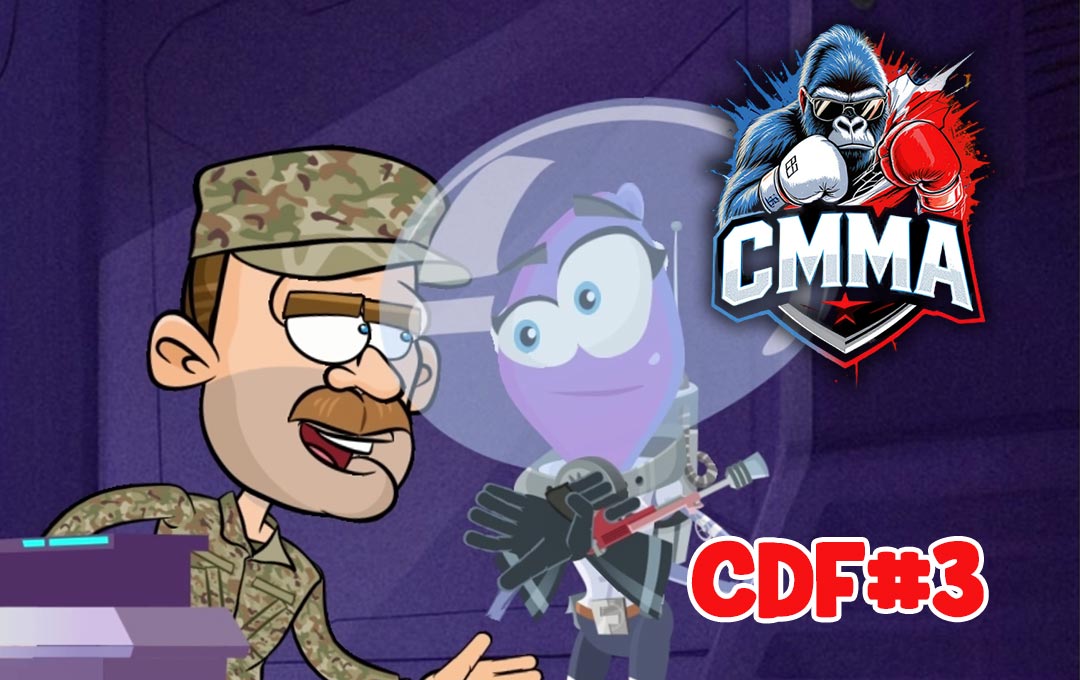
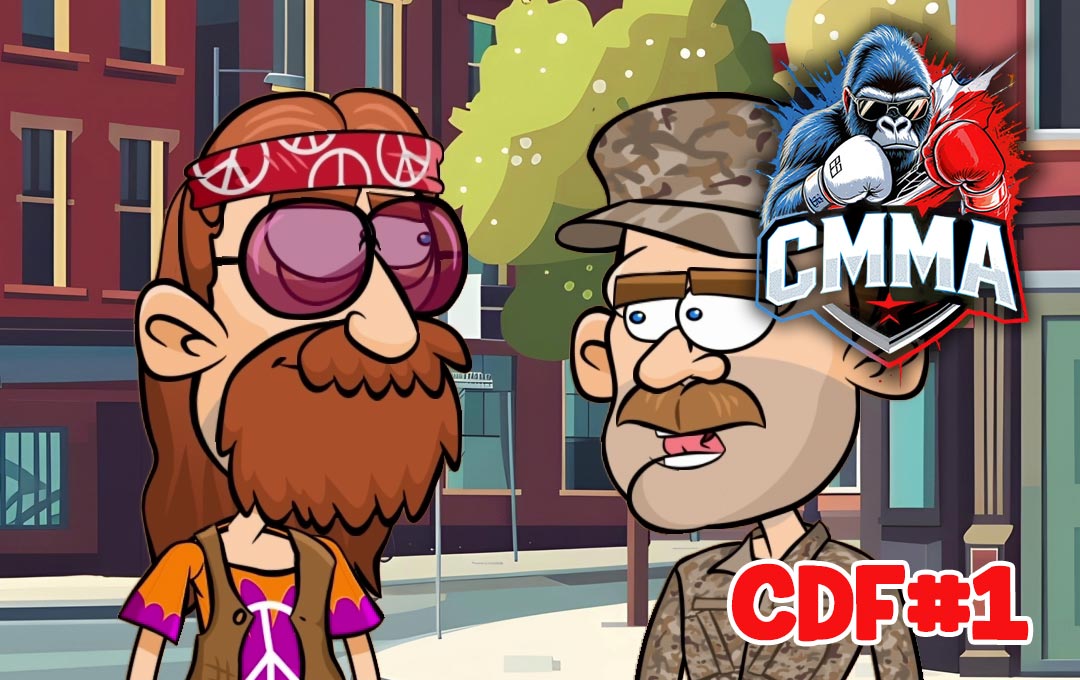
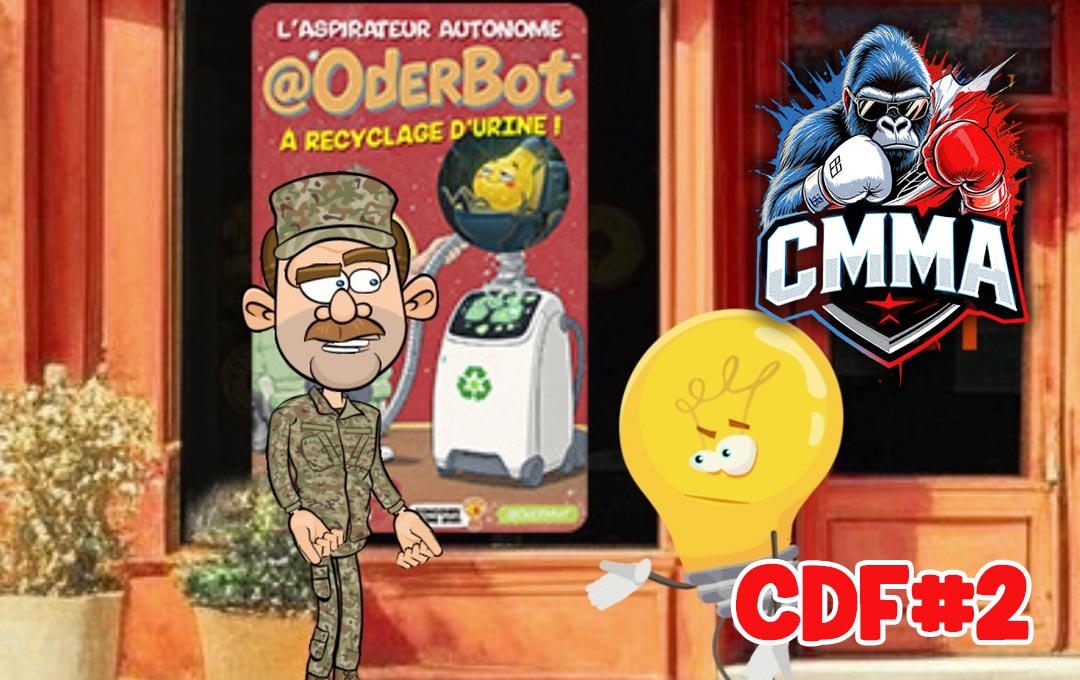
In this second episode of the series “Casse de figure” (face-smashing), Master Chuck Maurice, assisted by his cousin Bruce, continues to teach you French vocabulary relating to conflicts and tense situations, once again through an absurd and humorous skit.
The scene takes place outside an electronics shop, where a robotic light bulb repeatedly broadcasts moralising messages to passers-by. When Bruce arrives at the wheel of his imposing vehicle, the light bulb immediately starts lecturing him on environmental issues and making him feel guilty.
The conversation quickly becomes tense: the light bulb persists and criticises Bruce, who eventually loses his patience with what he sees as a professional nuisance. The altercation then escalates into a chase down the street, with Bruce trying to catch the light bulb, which prefers to make a quick getaway.
In his analysis, Chuck Maurice calmly and clearly explains the various stages of the incident and introduces several French expressions used to describe an annoying person, an argument or a quick getaway.
📚 Today’s vocabulary: expressions relating to violence
Un chieur / faire chier quelqu’un
Un emmerdeur
Casse-pied
Un casse-pied / casser les pieds à quelqu’un
Meaning
A “casse-pied” is someone who is very annoying or a nuisance.
“Casser les pieds à quelqu’un” means to annoy them repeatedly.
It’s a colloquial but fairly common expression.
Example
Il me casse les pieds avec ses conseils.
Origin
The expression first appeared in the 19th century and refers to the idea of wearing someone out to the point of “briser les pieds” (breaking their legs), that is, mentally exhausting them.
English equivalent
a pain in the neck
to annoy someone
Meaning
“Un chieur” is someone who is extremely annoying, a nuisance or unbearable.
The expression “faire chier quelqu’un” means to annoy, irritate or bother someone.
It is colloquial to vulgar language, very common in spoken English.
Example
Arrête de me faire chier avec tes questions !
Origin
The word comes from the verb “chier”, which originally meant to defecate. In French slang, it has come to mean something very unpleasant.
English equivalent
a pain in the ass
to piss someone off
Meaning
“Un emmerdeur” is someone who makes life difficult for others or is constantly causing trouble.
Example
Ce type est un vrai emmerdeur, il critique toujours tout.
Origin
The word comes from the verb “emmerder”, which is derived from the word “merde” (shit) in French slang.
English equivalent
a pain in the ass
a troublemaker
Un enquiquineur
Casse-couilles
Altercation
Un enquiquineur / enquiquiner quelqu’un
Meaning
“Un enquiquineur” is someone who constantly annoys or bothers others.
“Enquiquiner quelqu’un” means to pester or bother them.
The word is less vulgar than “emmerder”.
Example
Arrête de m’enquiquiner pendant que je travaille !
Origin
The word comes from “quiqui”, an old colloquial term for something annoying or irritating.
English equivalent
to annoy someone
a nuisance
Être un casse-couilles / casser les couilles à quelqu’un
Meaning
These expressions mean to be extremely annoying or to really get on someone’s nerves.
They are vulgar and are mainly used in informal contexts.
Example
Ce voisin me casse les couilles avec sa musique !
Origin
The expression comes from French slang, where ‘couilles’ means testicles, symbolising something extremely irritating.
English equivalent
to bust someone’s balls
a pain in the ass
Meaning
“Une altercation” is an argument or a heated exchange between two people.
Example
Une altercation a éclaté entre les deux conducteurs.
Origin
The word comes from the Latin “altercatio”, which means a heated discussion or argument.
English equivalent
argument
verbal dispute
Prendre ses jambes à son cou
Prendre la poudre d’escampette
Meaning
The expression “prendre ses jambes à son cou” means to run away very quickly to escape a situation.
Example
Quand il a vu le chien arriver, il a pris ses jambes à son cou.
Origin
The image brings to mind someone running so fast that their legs seem to reach right up to their neck.
English equivalent
to run for your life
Meaning
This expression means to make a quick getaway to avoid an unpleasant situation.
Example
Dès que la police est arrivée, il a pris la poudre d’escampette.
Origin
The expression dates back to the 17th century and refers to the dust kicked up by one’s feet during a hasty retreat.
English equivalent
to run away
to make a quick escape
Se barrer
Se lancer à la poursuite
Meaning
“Se barrer” means to leave quickly or to get out of a place, often in an informal way.
Example
Il s’est barré avant la fin de la réunion.
Origin
The verb originates from 20th-century French slang.
English equivalent
to get out of here
to slope off
Se lancer à la poursuite de quelqu’un / se lancer aux trousses de quelqu’un
Meaning
These expressions mean to start chasing someone in order to catch them.
Example
Le policier s’est lancé à la poursuite du voleur.
Origin
The expression “aux trousses” refers to the heels or the backs of shoes, suggesting that one is very close to the person being pursued.
English equivalent
to chase someone
to be on someone’s heels
✅ Why this video is useful for learning French
This episode introduces a wide range of colloquial and slang expressions commonly used in spoken French, particularly when describing an annoying person, an argument or a quick getaway. Thanks to the humour and absurd situations in the series *Chuck Maurice Maître Affineur*, learners can memorise these expressions more easily and gain a better understanding of the authentic French used in everyday life, films and TV series.